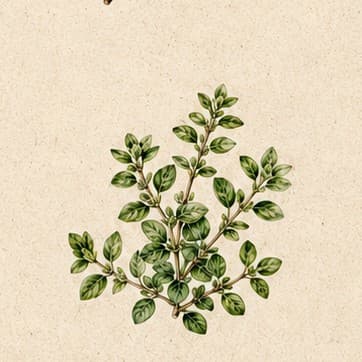
Greek oregano is the most aromatic variety, with small fuzzy leaves and a flavor strong enough to stand up to tomatoes, garlic, and long-cooked sauces. Unlike many herbs, it actually intensifies when dried. It grows freely in hot, dry conditions and becomes almost weedy in the right spot. A little goes a long way.
The full guide
Fresh oregano keeps wrapped in a slightly damp paper towel in the refrigerator for up to 2 weeks. The flavor of fresh oregano is milder than dried, which is actually fine for fresh salads and garnishes.
Sun
full sun (6+ hours)
Water
low - prefers dry conditions, excellent drainage essential
Lifecycle
perennial
Days to maturity
80-90 days from seed
Container suitable
Yes - grows well in pots
Harvest just before flowering for peak flavor. Cut stems back by about half. Flowering is a good signal to harvest a larger batch for drying.
What to harvest
- leaves
- stems
- flowers
Best season
- summer
- fall
Drying
Oregano is one of the best drying herbs. Bundle loosely and hang upside down in a warm, dry spot. Leaves dry in 1-2 weeks and the flavor concentrates as moisture leaves. Strip leaves from stems and store in a sealed jar.
Storage
Dried oregano keeps 12-18 months in a sealed jar away from heat and light. Crumble leaves just before using to release oils.
Oregano works beautifully in herb-infused oil - see that guide for technique.
- How to Dry Fresh Herbs
A straightforward method for preserving your herb harvest so nothing goes to waste.
For Greek Oregano: Oregano is arguably better dried than fresh - the flavor concentrates and deepens. Air-dry in bundles.
beginner1-2 weeks (mostly hands-off) - Herb-Infused Oil
A simple method for capturing herb flavor and fragrance in olive or carrier oil.
For Greek Oregano: Oregano-infused olive oil is a pantry staple. Use dried oregano for the safest shelf-stable result.
beginner2-4 weeks cold method; 2-3 hours warm method
Flavor profile
Bold, peppery, slightly bitter with warm floral notes
Uses
- pizza
- pasta sauces
- marinades
- roasted vegetables
- lamb
- chicken
- Greek salads
- legumes
- grilled fish
Pairs well with
- tomatoes
- garlic
- lemon
- olive oil
- feta
- lamb
- eggplant
- zucchini
Traditional uses
- traditionally used across Mediterranean folk traditions as a culinary and aromatic herb
- long valued in folk practice for its warm and pungent aromatic qualities
Always worth knowing before you cook with or use any herb regularly.
- If you are pregnant or nursing, talk with your provider before using herbs medicinally.